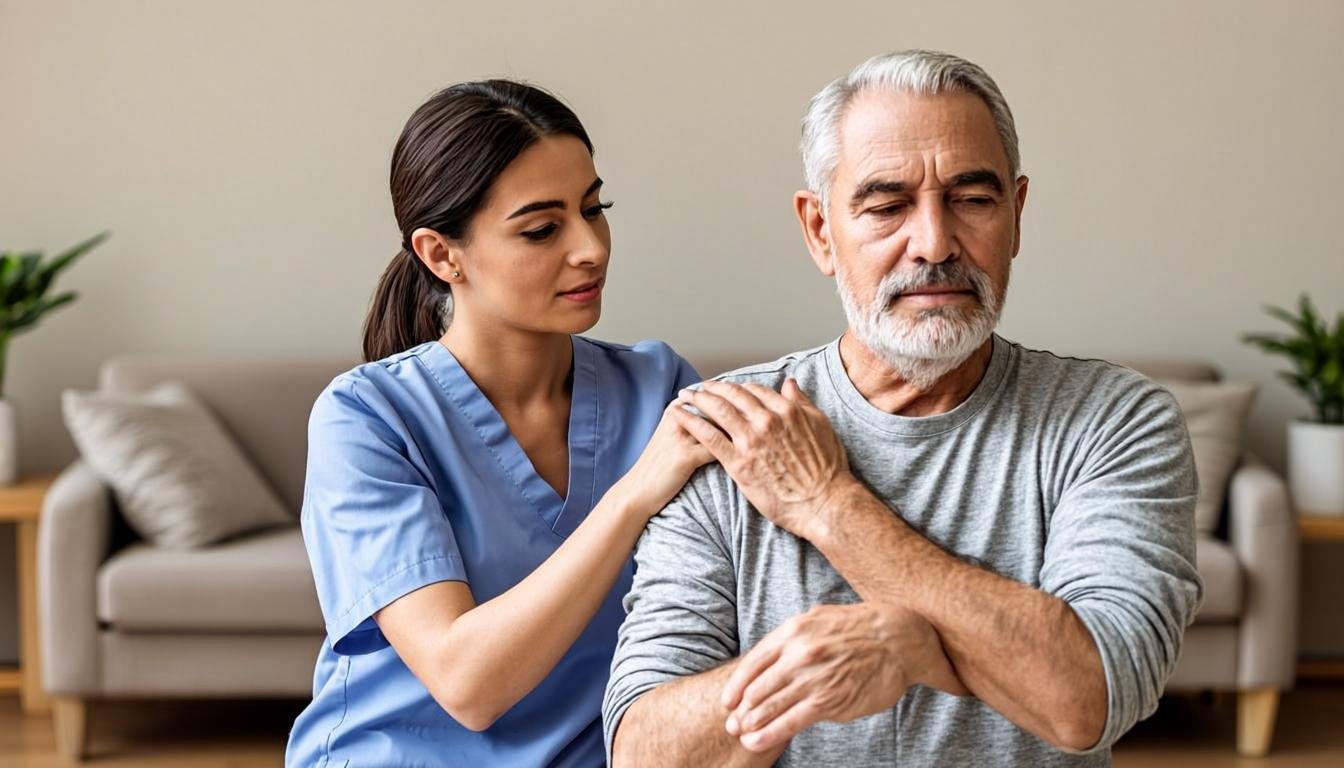
As our parents and grandparents age, maintaining their physical independence becomes one of the most important priorities for any family. In Lahore, where many families live in joint household setups across neighbourhoods like DHA, Gulberg, Model Town, and Johar Town, the option of receiving professional physiotherapy at home has become a game-changer. Rather than navigating Lahore's busy roads for daily therapy sessions at a hospital or clinic, elderly patients can now receive expert care in the comfort of their own home.
Here are the ten most significant benefits of choosing home-based physiotherapy for elderly patients.
1. Significant Improvement in Mobility and Independence
One of the primary goals of geriatric physiotherapy is restoring and maintaining mobility. Elderly patients often experience stiffness in joints, weakened muscles, and reduced range of motion due to conditions such as osteoarthritis, rheumatoid arthritis, or general deconditioning from prolonged inactivity. A physiotherapist visiting at home can design a personalised exercise programme that targets specific mobility limitations. Over weeks of consistent sessions, patients often regain the ability to walk independently, climb stairs, and perform daily activities such as bathing, dressing, and moving between rooms without assistance.
2. Effective Fall Prevention
Falls are among the leading causes of serious injury in elderly Pakistanis. A study published in the Journal of Pakistan Medical Association found that approximately 30-40% of adults over 65 experience at least one fall per year. Home physiotherapists assess the patient's home environment for fall hazards such as loose rugs, poor lighting, uneven flooring, and lack of grab bars in bathrooms. They then design balance training exercises that improve proprioception (the body's awareness of its position in space) and strengthen the muscles that stabilise the body during movement.
In Lahore's older homes, particularly in areas like Old Anarkali, Samanabad, and interior Lahore where floor surfaces and bathroom designs may not be elder-friendly, this home assessment component is especially valuable.
3. Chronic Pain Management Without Heavy Medication
Chronic pain from conditions like osteoarthritis of the knee, lower back pain (lumbago), frozen shoulder, and cervical spondylosis is extremely common among elderly Pakistanis. Rather than relying solely on painkillers, which can cause gastrointestinal issues and kidney problems with long-term use, physiotherapy offers a drug-free approach to pain management. Techniques such as manual therapy, therapeutic ultrasound, TENS (Transcutaneous Electrical Nerve Stimulation), and targeted stretching and strengthening exercises can significantly reduce chronic pain.
4. Faster and Safer Post-Surgery Recovery
After surgeries such as total knee replacement, total hip replacement, spinal surgery, or fracture repair, physiotherapy is essential for optimal recovery. However, travelling to a physiotherapy clinic while recovering from surgery is both painful and risky. Home physiotherapy eliminates this burden. The therapist works with the patient's specific surgical protocol, progressing from gentle range-of-motion exercises to weight-bearing activities and functional training. Patients recovering at hospitals like Doctors Hospital Lahore or Shalamar Hospital can seamlessly transition to home-based rehabilitation once discharged.
5. Personalised Treatment in a Familiar Environment
A clinic-based physiotherapist sees dozens of patients a day and has limited time per session. A home visit allows the therapist to focus entirely on one patient for the full session duration. The therapist can observe the patient's actual living conditions, understand their daily routine, and tailor exercises that are practical and achievable within their home setup. This personalised approach leads to better patient compliance and faster results.
6. Better Management of Neurological Conditions
Elderly patients with neurological conditions such as Parkinson's disease, post-stroke paralysis, or peripheral neuropathy (common in Pakistani diabetics) benefit enormously from regular physiotherapy. Home-based sessions are particularly beneficial for these patients because they can practice functional tasks in their actual environment, such as walking from the bedroom to the bathroom or navigating doorways and corridors. Neurological rehabilitation requires consistent, repetitive practice, and receiving therapy at home makes daily sessions more feasible.
7. Convenience for Family Caregivers
Family caregivers in Lahore often juggle work, household responsibilities, and patient care. Driving an elderly parent from DHA Phase 5 to a clinic near Kalma Chowk during rush hour can take over an hour each way. Home physiotherapy eliminates this commute, saving the family significant time and energy. The physiotherapist also educates family members on proper techniques for assisting the patient, reducing the risk of caregiver injury and improving the overall care quality at home.
8. Reduced Risk of Hospital-Acquired Infections
Visiting hospitals and clinics exposes elderly patients, who often have weakened immune systems, to various infections. During peak dengue season in Lahore or periods of high air pollution, minimising hospital visits is particularly important. Home physiotherapy keeps the patient in a controlled, hygienic environment while still receiving expert clinical care.
9. Mental Health and Emotional Well-Being
Elderly patients who are confined to their homes due to mobility issues often experience depression, anxiety, and a sense of helplessness. Regular physiotherapy sessions give them something to look forward to and provide a structured routine. As they see their physical abilities improving, their confidence and mood typically improve as well. The one-on-one attention from a caring therapist also provides valuable social interaction, which is important for mental health.
10. Cost-Effective Long-Term Care
While individual home sessions may seem comparable to clinic rates, the overall cost is often lower when you factor in transportation, parking, and the time cost for family members. Additionally, effective physiotherapy can prevent complications that would require expensive hospital admissions. Preventing a single fall-related fracture can save a family lakhs of rupees in surgical and hospital costs at hospitals like Services Hospital or Mayo Hospital.
What to Expect from a Home Physiotherapy Session
A typical home physiotherapy session with Hum Home Care lasts 45 to 60 minutes. The physiotherapist will begin by assessing the patient's current condition, reviewing any medical reports or surgical notes, and discussing goals with the patient and family. The session includes warm-up exercises, targeted therapeutic exercises, manual therapy if needed, and a cool-down period. The therapist will also assign home exercises for the patient to practice between sessions and provide progress updates to the family.
Start Your Home Physiotherapy Journey Today
Whether your elderly family member is recovering from surgery, managing chronic pain, or simply needs to maintain their mobility and independence, home physiotherapy can make a profound difference. At Hum Home Care, our licensed physiotherapists serve families across Lahore, including DHA, Gulberg, Model Town, Johar Town, Cantt, Bahria Town, and surrounding areas. Contact us on WhatsApp at 03250600666 or book a session online to get started with expert home physiotherapy today.