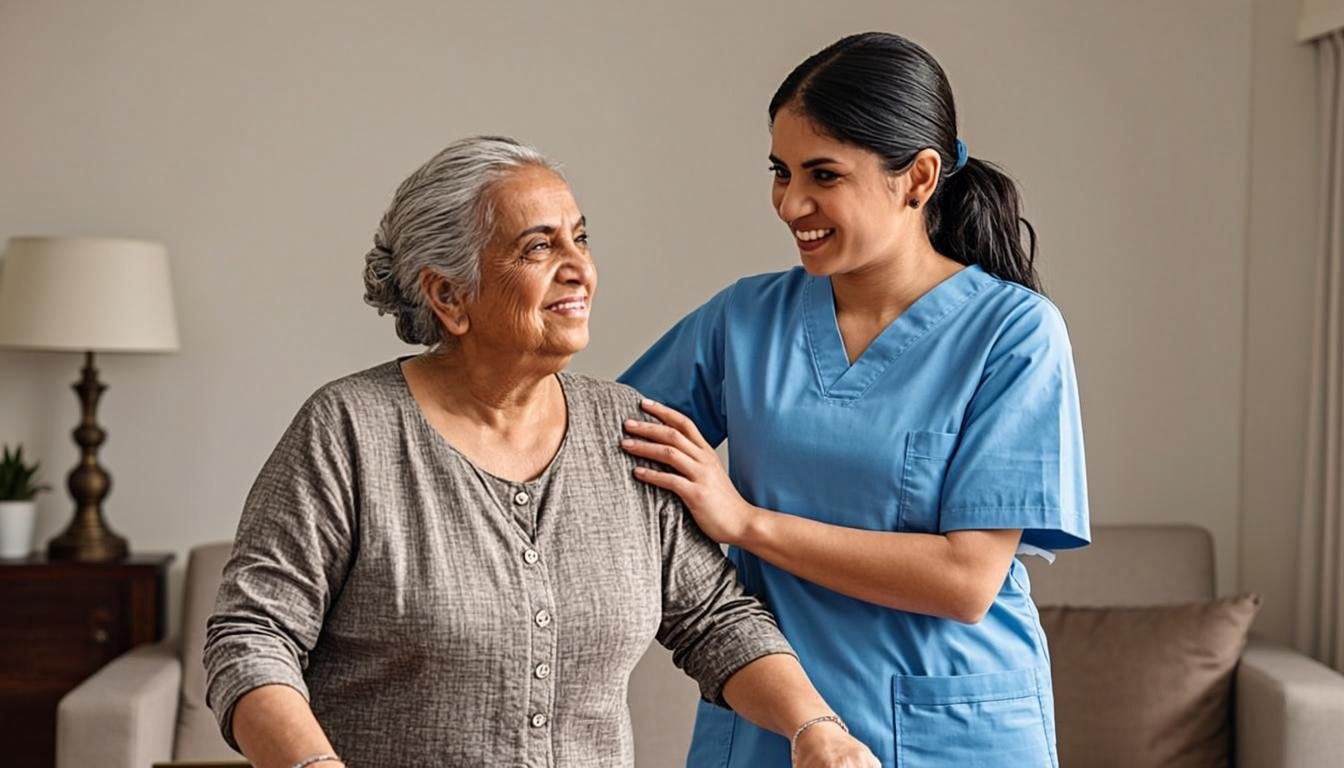
Caring for an elderly family member is one of the most important and challenging responsibilities a family can face. As parents and grandparents age, they often develop chronic health conditions, experience declining mobility, and require increasing levels of support with daily activities. In Lahore, where family bonds are strong and multi-generational living is common, most families prefer to care for their elderly loved ones at home rather than in institutions. However, providing adequate care at home requires knowledge, resources, and professional support that many families struggle to access.
This comprehensive guide is designed for families in Lahore who are caring for elderly members at home or considering doing so. It covers the full spectrum of elderly home care, from understanding when professional help is needed, to creating a safe home environment, to managing specific conditions such as dementia and Alzheimer's disease, to accessing the professional home healthcare services available through Hum Home Care.
Understanding the Aging Process and Its Challenges
Aging brings a range of physical, cognitive, and emotional changes that affect an individual's ability to live independently. Understanding these changes is the first step toward providing effective care.
Physical Changes
As people age, their bodies undergo progressive changes that affect strength, balance, mobility, and overall health. Muscle mass and bone density decrease, making falls more likely and fractures more serious. Joint stiffness and arthritis can limit mobility and make daily tasks painful. Vision and hearing decline, affecting the ability to navigate the environment safely and communicate effectively. The immune system weakens, increasing susceptibility to infections and slowing wound healing. Chronic conditions such as hypertension, diabetes, heart disease, and arthritis become more common and often require ongoing medical management.
Cognitive Changes
Cognitive decline is a natural part of aging, but its severity varies widely among individuals. Some elderly people maintain sharp cognitive function well into their later years, while others experience significant memory impairment, difficulty concentrating, and reduced problem-solving ability. In some cases, cognitive decline progresses to dementia or Alzheimer's disease, which require specialized care approaches and medical management.
Emotional and Psychological Changes
The emotional wellbeing of elderly individuals is just as important as their physical health. Many seniors experience feelings of loneliness, isolation, and loss of purpose, particularly after the death of a spouse or close friends. The loss of independence can lead to frustration, anxiety, and depression. Recognizing and addressing these emotional needs is a critical component of comprehensive elderly care.
Recognizing When Your Elderly Loved One Needs Professional Help
Many families struggle with the question of when to seek professional home care support for an elderly relative. While every situation is unique, there are common signs that indicate a need for additional help.
- Difficulty performing activities of daily living such as bathing, dressing, grooming, toileting, or feeding without assistance
- Frequent falls, near-falls, or unsteadiness when walking or standing
- Missed doses of medication, taking incorrect doses, or confusion about medication schedules
- Worsening of chronic conditions such as diabetes or hypertension due to poor management
- Unexplained weight loss, poor appetite, or signs of malnutrition or dehydration
- Increasing social withdrawal, loss of interest in activities, or signs of depression
- Forgetfulness that affects daily functioning, such as leaving the stove on, getting lost in familiar places, or failing to recognize family members
- Incontinence that is not being managed effectively
- Pressure sores or skin breakdown from prolonged immobility
- Family caregivers experiencing exhaustion, stress, or inability to keep up with care demands
If one or more of these signs are present, it may be time to consider professional home care services. Early intervention can prevent complications, improve quality of life for both the elderly person and their family caregivers, and provide peace of mind that your loved one is receiving the care they need.
Creating a Safe Home Environment
Home safety is one of the most critical aspects of elderly care. Falls are the leading cause of injury-related hospitalization and death among older adults, and most falls occur at home. Making simple modifications to the home environment can significantly reduce fall risk and create a safer living space.
Bathroom Safety
The bathroom is one of the most dangerous rooms in the home for elderly individuals. Install grab bars near the toilet and inside the shower or bathtub. Place non-slip mats on the floor and in the shower. Consider a shower chair or bench for those who have difficulty standing for extended periods. Ensure the water heater is set to a safe temperature to prevent scalding. A raised toilet seat can make sitting down and standing up easier for those with limited hip or knee mobility.
Bedroom and Living Area Safety
Ensure adequate lighting throughout the home, particularly in hallways, stairways, and the path between the bedroom and bathroom. Night lights should be placed strategically to illuminate the way during nighttime bathroom visits. Remove loose rugs, cords, and clutter from walkways. Furniture should be arranged to create clear, wide pathways. The bed should be at an appropriate height that allows the elderly person to get in and out easily. A bed rail or assist rail may be helpful for those with balance difficulties.
Stairway Safety
If the home has stairs, ensure they are well-lit, have secure handrails on both sides, and are free of obstacles. Non-slip treads or carpeting on stairs provides additional traction. For elderly individuals with significant mobility limitations, consider rearranging the living space so that the bedroom, bathroom, and main living area are all on a single floor, eliminating the need to navigate stairs.
Kitchen Safety
Store frequently used items at waist height to avoid the need for reaching or bending. Ensure the gas stove has an automatic shut-off feature or consider switching to an induction cooktop. Install smoke detectors and a fire extinguisher in or near the kitchen. Check food expiration dates regularly and ensure perishable foods are stored properly, as elderly individuals may have diminished senses of taste and smell that make it difficult to detect spoiled food.
Professional Home Care Services for the Elderly
Hum Home Care offers a comprehensive range of services specifically designed to support elderly individuals and their families in Lahore. These services can be customized to meet each patient's unique needs and can be scaled up or down as circumstances change.
Caregiver Services
Trained caregivers provide non-medical assistance with activities of daily living, companionship, and supervision. They help with bathing, dressing, grooming, meal preparation, light housekeeping, and medication reminders. Caregivers also provide valuable social interaction, which helps combat loneliness and supports emotional wellbeing. Caregiver services are available on an hourly, daily, or live-in basis, providing flexibility for families with different needs and budgets.
Home Nursing Care
For elderly patients with medical needs, home nursing services provide clinical care delivered by registered nurses. Home nurses manage wound care, administer injections and IV medications, monitor vital signs, manage catheters and ostomies, and provide post-surgical care. They also educate patients and families about disease management and medication administration. Home nursing is particularly valuable for patients with complex medical conditions who require skilled clinical oversight.
Doctor Home Visits
Regular doctor home visits ensure that elderly patients receive ongoing medical evaluation without the need to travel. Our physicians conduct thorough examinations, review and adjust medications, order and interpret diagnostic tests, and coordinate specialist referrals when needed. Regular physician oversight is essential for managing chronic conditions, detecting new problems early, and ensuring that the overall care plan is aligned with the patient's evolving health status.
Physiotherapy and Rehabilitation
Mobility decline is one of the most impactful consequences of aging. Physiotherapy at home helps elderly patients maintain and improve their strength, balance, flexibility, and overall physical function. A physiotherapist designs a personalized exercise program targeting the patient's specific limitations and goals. Regular physiotherapy can prevent falls, reduce pain from arthritis and other musculoskeletal conditions, speed recovery from surgery or illness, and help patients maintain as much independence as possible.
Caring for Elderly Patients with Dementia and Alzheimer's Disease
Dementia and Alzheimer's disease present unique caregiving challenges that require specialized knowledge, patience, and support. These progressive neurological conditions affect memory, thinking, behavior, and the ability to perform everyday tasks. Caring for a loved one with dementia at home is possible with the right approach and professional support.
Understanding the Disease Progression
Dementia typically progresses through stages, each presenting different challenges. In the early stages, the person may experience mild memory lapses and difficulty finding words but can still function relatively independently. In the middle stages, memory loss becomes more pronounced, confusion increases, and the person requires more help with daily activities. Behavioral changes such as agitation, wandering, and sundowning may occur. In the advanced stages, the person may lose the ability to communicate, become immobile, and require around-the-clock care.
Creating a Dementia-Friendly Environment
The home environment plays a crucial role in the safety and wellbeing of a person with dementia. Maintain a consistent daily routine, as predictability reduces confusion and anxiety. Label drawers, cabinets, and rooms with clear signs and pictures. Remove tripping hazards and install locks on doors leading outside to prevent wandering. Keep the home well-lit to reduce visual confusion and shadows that can be frightening. Display familiar photographs and objects that provide comfort and stimulate positive memories.
Communication Strategies
Communicating with a person who has dementia requires patience and specific techniques. Speak slowly and clearly, using simple sentences. Maintain eye contact and use a calm, reassuring tone. Avoid arguing, correcting, or contradicting the person, even when they say things that are factually incorrect. Instead, redirect the conversation to a more comfortable topic. Use non-verbal communication such as gentle touch, facial expressions, and body language to convey warmth and reassurance.
Professional Dementia Care Support
Caring for a person with dementia can be physically and emotionally exhausting for family members. Professional caregivers trained in dementia care can provide essential respite and specialized support. These caregivers understand the behavioral aspects of dementia, know how to manage agitation and confusion, and can implement cognitive stimulation activities that help maintain engagement and slow cognitive decline. Hum Home Care offers specialized elderly care programs that include dementia-specific training for all staff members.
Nutrition and Hydration for the Elderly
Proper nutrition and hydration are fundamental to the health and wellbeing of elderly individuals. However, aging brings changes that can make maintaining adequate nutrition challenging. Appetite naturally decreases with age, the sense of taste and smell may diminish, dental problems can make chewing difficult, and certain medications can affect appetite or nutrient absorption.
Families should ensure that elderly members eat balanced meals that include adequate protein, fiber, fruits, and vegetables. Smaller, more frequent meals may be easier to manage than three large ones. Foods should be easy to chew and digest. Hydration is equally important, as elderly individuals may not feel thirsty even when they are dehydrated. Encouraging regular fluid intake throughout the day, offering water, soups, and fruit juices, and monitoring for signs of dehydration such as dry mouth, dark urine, or confusion are all essential practices.
A home caregiver or nurse can assist with meal planning and preparation, monitor food and fluid intake, and identify nutritional concerns early. Regular weight monitoring and lab tests to check for nutritional deficiencies are also important components of comprehensive elderly care.
Mental Health and Social Engagement
The mental health of elderly individuals is closely tied to their social connections and sense of purpose. Social isolation is a significant risk factor for depression, cognitive decline, and overall poor health outcomes in seniors. Encouraging social engagement is therefore an important part of elderly care.
Families can support social engagement by facilitating regular visits from friends and relatives, encouraging participation in community activities or religious gatherings when possible, introducing technology such as video calls to stay connected with distant family members, and providing opportunities for hobbies and activities that the person enjoys. A caregiver can play a vital role in this area by providing daily companionship, engaging the person in conversation and activities, and ensuring they are not spending long hours alone.
Depression in the elderly is common but often goes undiagnosed because its symptoms can be mistaken for normal signs of aging. Signs of depression include persistent sadness, loss of interest in activities, changes in sleep or appetite, fatigue, difficulty concentrating, and expressions of worthlessness or hopelessness. If these signs are present, a doctor home visit can facilitate evaluation and treatment.
Supporting Family Caregivers
Family caregivers are the backbone of elderly care in Lahore, and their wellbeing is essential to the quality of care their loved ones receive. Caregiver burnout is a real and serious condition characterized by physical exhaustion, emotional fatigue, irritability, sleep disturbances, and withdrawal from social activities. It can lead to depression, health problems, and a reduced ability to provide effective care.
Families should recognize that asking for professional help is not a sign of failure but a responsible decision that benefits everyone. Even part-time caregiver support can provide family members with much-needed breaks to rest, attend to personal needs, and maintain their own health and relationships. Hum Home Care offers flexible care plans that can supplement family caregiving without replacing the family's central role. Our team works collaboratively with families to create a care plan that respects their values, preferences, and routines while providing the professional support needed to ensure the best possible outcomes for the elderly patient.
Conclusion
Caring for an elderly family member at home is a deeply rewarding but demanding responsibility. With the right knowledge, a safe home environment, and access to professional support services, families in Lahore can provide their elderly loved ones with high-quality care that preserves their dignity, comfort, and quality of life. Hum Home Care is committed to being your partner in this journey, offering a comprehensive range of elderly care services delivered by compassionate and qualified professionals. Whether you need a few hours of caregiver support each week, skilled nursing care for a complex medical condition, or specialized dementia care, we are here to help. Reach out to our team today to discuss how we can support your family in caring for the seniors you love.