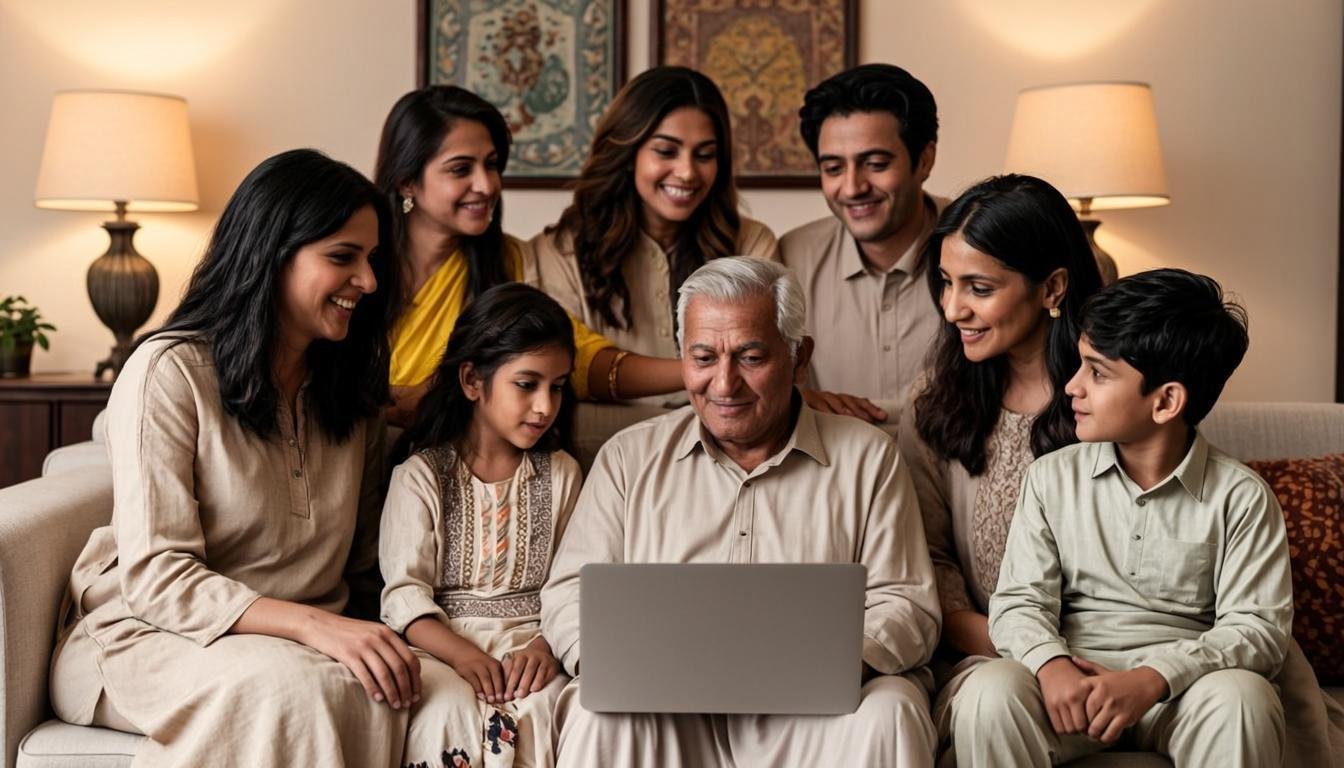
Caring for elderly parents is a deeply personal responsibility that most Pakistani families take on with dedication and love. In Lahore, the tradition of joint families means that elderly parents often live with their children, which provides emotional support and companionship. However, as parents age and develop chronic health conditions, the level of care required can become increasingly complex. Whether you live in a spacious house in DHA Phase 6, a flat in Gulberg III, or a family home in Model Town Extension, these practical tips will help you provide better care for your elderly loved ones.
Establishing a Daily Care Routine
Consistency is the foundation of good elderly care. A structured daily routine provides a sense of security and predictability, which is especially important for elderly individuals who may be experiencing cognitive decline. A well-planned routine should include:
- Morning hygiene: Assistance with brushing, bathing, oral care, and grooming as needed
- Breakfast and morning medications: Ensure medications are taken with or after food as prescribed
- Morning activity: Gentle stretching, a short walk in the garden or veranda, or seated exercises
- Midday rest: A short nap or quiet time after lunch helps prevent fatigue
- Afternoon engagement: Reading, watching television, listening to Quran recitation or favourite programmes, light conversation with family
- Evening routine: Dinner, evening medications, and a calming pre-bedtime routine
Post the routine visibly in the patient's room so that all family members and any hired caregivers can follow it consistently.
Nutrition Tailored to Pakistani Seniors
Nutritional needs change significantly with age. Elderly individuals often experience reduced appetite, decreased sense of taste, dental problems, and digestive issues that make eating well more challenging. At the same time, conditions like diabetes, hypertension, and kidney disease require specific dietary modifications.
Dietary Guidelines for Elderly Pakistanis
- Smaller, more frequent meals: Instead of three large meals, offer 5-6 smaller meals throughout the day. This is easier to digest and helps maintain energy levels.
- Protein priority: Include protein at every meal through eggs, dal, yoghurt, chicken, and fish. Protein helps maintain muscle mass, which is critical for mobility and fall prevention.
- Calcium for bone health: Osteoporosis is common in elderly Pakistani women. Ensure adequate calcium through milk, yoghurt, paneer, and leafy greens like palak and methi.
- Low-salt options for hypertensive patients: Reduce salt intake and avoid pickles (achar), processed foods, and salty snacks. Use herbs and spices like haldi, jeera, and dhania for flavour instead.
- Diabetes-friendly meals: For diabetic seniors, control carbohydrate portions, use whole wheat instead of refined flour, and include bitter gourd (karela) and fenugreek (methi) which are traditionally known for blood sugar management.
- Stay hydrated: In Lahore's extreme heat, dehydration is a serious risk for the elderly who may not feel thirsty. Offer water, lassi, and fresh fruit juices (without added sugar) throughout the day.
Exercise and Physical Activity
Physical activity is essential at every age, and gentle exercise can dramatically improve an elderly person's quality of life. Regular movement helps maintain joint flexibility, muscle strength, balance, cardiovascular health, and even mental wellbeing. The key is to choose activities that are appropriate for the individual's fitness level and health conditions.
Simple activities that work well for elderly Lahore residents include a morning or evening walk in a local park such as Jilani Park (formerly Race Course Park), Bagh-e-Jinnah, or the green spaces in DHA and Model Town. For those with limited mobility, seated exercises, chair yoga, and gentle stretching can be done at home. During smog season, which typically affects Lahore from October to January, exercise should be moved indoors and windows kept closed to protect respiratory health.
A home physiotherapist can design a personalised exercise programme that addresses specific conditions such as arthritis, back pain, or post-fracture recovery. Even 20-30 minutes of guided exercise daily can make a significant difference in mobility and independence.
Mental Health and Emotional Well-Being
Depression and anxiety are significantly underdiagnosed in elderly Pakistanis. Many seniors experience loneliness, loss of purpose after retirement, grief over the death of a spouse or friends, and frustration at declining physical abilities. These emotional challenges often manifest as physical complaints, irritability, withdrawal from social interaction, or changes in sleep and appetite.
Families can support mental health by maintaining regular conversation, including the elderly person in family decisions and gatherings, encouraging visits from friends and relatives, and supporting religious and spiritual practices which provide comfort and routine. In Lahore, many seniors find peace in visiting local mosques, attending religious gatherings, or listening to naat and Quran recitation. Simple activities like watering plants, feeding birds, or looking after grandchildren can also provide a sense of purpose.
If you notice persistent sadness, withdrawal, loss of interest in activities, significant changes in sleep or appetite, or expressions of hopelessness, consult a physician. Depression in the elderly is treatable, and early intervention leads to better outcomes.
Home Safety Modifications
Simple modifications can make the home significantly safer for elderly residents:
- Install grab bars in bathrooms, especially near the toilet and inside the shower
- Ensure adequate lighting, particularly along hallways, staircases, and in the bathroom
- Remove loose rugs and mats that could cause tripping
- Keep commonly used items within easy reach to avoid stretching or climbing
- Use non-slip mats in the bathroom and kitchen
- Ensure the bed is at an appropriate height for easy getting in and out
- Keep walkways clear of furniture and clutter
When to Seek Professional Help
Family caregiving is admirable, but there comes a point when professional support becomes necessary. Consider hiring a home nurse, caregiver, or physiotherapist if:
- The patient requires 24-hour monitoring for a medical condition
- Wound care, catheter management, or IV therapy is needed
- Medication management is complex with multiple prescriptions
- The patient has had a fall and needs supervised mobility support
- Family caregivers are experiencing burnout, exhaustion, or their own health issues
- The patient's condition is deteriorating despite home care efforts
Give Your Parents the Care They Deserve
Caring for elderly parents is both an honour and a significant responsibility. At Hum Home Care, we support Lahore families with professional home nursing, caregiving, physiotherapy, and doctor-on-call services. Whether you need a full-time caregiver, a visiting nurse, or occasional physiotherapy sessions, we are here to help. WhatsApp us at 03250600666 or book a consultation online to discuss how we can support your family.