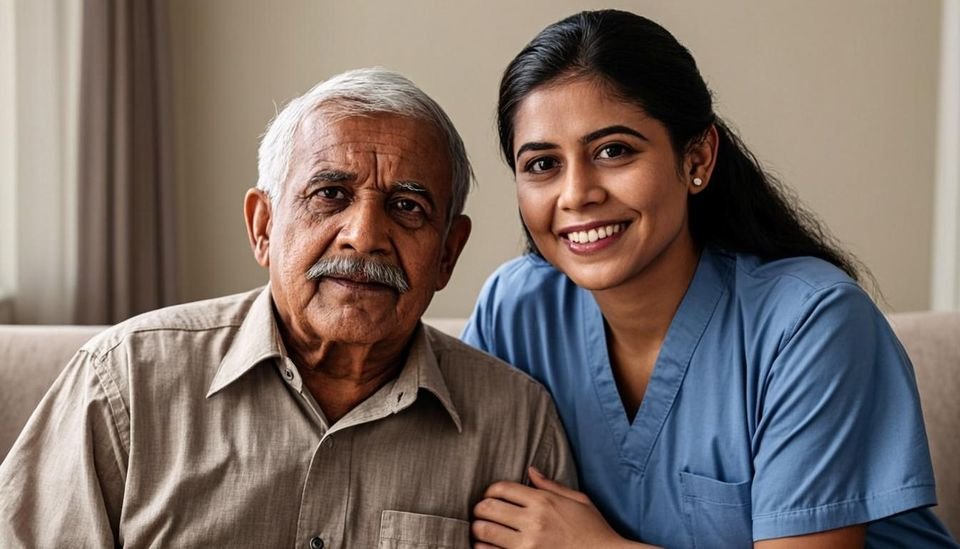
What to Expect During Elderly Care
If you have booked elderly care for the first time, understanding the process helps you prepare and get the most out of the service. The experience typically follows a structured sequence: booking and scheduling, pre-visit preparation, the actual service delivery, and post-visit follow-up. Each step is designed to ensure patient safety, comfort, and clinical effectiveness.
When you book elderly care with Hum Home Care, our care coordination team collects relevant medical information including the patient's condition, current medications, allergies, and any specific instructions from their treating physician. This information is shared with the assigned geriatric-trained before they arrive, allowing them to prepare appropriately and bring the correct equipment and supplies. For diagnostic services, we also confirm any preparation requirements such as fasting for blood tests or wearing loose clothing for ultrasound examinations.
During the visit, the geriatric-trained will begin with a brief assessment or patient introduction, explain what they are going to do, and then proceed with the service. The entire process is conducted professionally, with respect for the patient's privacy and comfort. After the service is complete, the geriatric-trained provides a summary of findings, instructions for any follow-up care, and answers any questions the patient or family may have. Results from diagnostic tests are typically available within 24 hours and are shared digitally.
What Makes This Service Reliable in Lahore
Prevention of falls requires a multi-faceted approach that combines medical management, lifestyle modifications, and environmental safety measures. In Pakistan, cardiovascular diseases and stroke are among the leading causes of morbidity and mortality, with the Pakistan Heart Association estimating that one in four adults in the country has some form of cardiovascular disease. Regular health monitoring through services like elderly care at home can help identify risk factors early and enable timely intervention. Key preventive measures include maintaining healthy blood pressure (below 140/90 mmHg), managing blood sugar levels, maintaining a healthy weight, and staying physically active.
The home environment plays a significant role in prevention, particularly for elderly residents in Lahore. Homes should be assessed for common hazards: loose rugs and slippery bathroom floors are major contributors to fall-related injuries, while poor lighting in stairways and corridors increases the risk of accidents. Installing grab bars in bathrooms, ensuring adequate lighting, removing tripping hazards, and keeping commonly used items within easy reach can significantly reduce risk. For patients with specific conditions, such as those at risk of stroke, additional measures including medication adherence monitoring and regular neurological assessments through elderly care at home provide an extra layer of protection.
Community and family involvement is essential for effective prevention. Family members should be educated about warning signs and know when to seek emergency help. In Lahore, major hospitals with dedicated stroke units include Services Hospital, Jinnah Hospital, and Shalamar Hospital — knowing the nearest facility and fastest route can save critical minutes during an emergency. Regular exercise, a balanced diet adapted to Pakistani cuisine (emphasising vegetables, whole grains, and reduced salt and oil), stress management, and avoiding tobacco and excessive caffeine are all evidence-based preventive strategies. Hum Home Care's healthcare professionals can help develop personalised prevention plans during home visits.
The demand for home healthcare in Lahore has grown substantially in recent years, driven by several factors. Lahore's population has expanded rapidly, with an estimated 13 million residents, placing significant pressure on hospital infrastructure. Traffic congestion makes regular hospital visits time-consuming and physically taxing, particularly for elderly patients and those with chronic conditions. Additionally, the COVID-19 pandemic accelerated the adoption of home-based healthcare services, as families became more aware of the infection risks associated with hospital visits. Today, home healthcare is recognised as a safe, effective, and often preferred alternative for a wide range of medical services.
Frequently Asked Questions
How do I prepare for elderly care?
Preparation depends on the specific service. For blood tests, you may need to fast for 8-12 hours. For ultrasound, wear loose comfortable clothing. For nursing care, have the patient's medical records and current medications readily available. Our team provides specific preparation instructions when you book.
How long does a elderly visit take?
The duration varies by service type. Diagnostic tests typically take 20-45 minutes. Nursing care shifts are usually 12 hours. Doctor consultations last 20-30 minutes. Our care coordination team provides an estimated duration when you book so you can plan accordingly.
Can a family member be present during the visit?
Absolutely. We encourage family members to be present during home healthcare visits. This helps the family understand the patient's condition, learn care techniques, and ask questions. For elderly patients or children, having a familiar family member present also reduces anxiety and improves cooperation with the healthcare professional.
For professional elderly care in Lahore, Hum Home Care offers pnc-registered with geriatric training geriatric-trained nurses, 24/7 availability, and physician-supervised care plans. Learn more about our elderly care or call +92 325 0600 666 to book. We serve DHA, Johar Town, Gulberg, Model Town, Bahria Town, and all Lahore areas.