Blood tests are among the most fundamental tools in modern medicine, used for diagnosing conditions, monitoring chronic diseases, assessing organ function, and tracking treatment progress. For millions of people in Lahore, getting a blood test has traditionally meant traveling to a laboratory, waiting in queues, and sometimes fasting for hours before the sample can be collected. Home blood sampling has changed this experience entirely, bringing professional phlebotomy services directly to your doorstep. This comprehensive guide covers everything you need to know about home blood sampling in Lahore, from how the process works and what tests are available to how to prepare and what to expect from your results.
How Home Blood Sampling Works
The home blood sampling process is designed to be simple, convenient, and clinically rigorous. When you book a home blood sampling service, a certified phlebotomist arrives at your home at the scheduled time carrying all the necessary equipment. The entire process from the phlebotomist's arrival to completion typically takes between ten and twenty minutes.
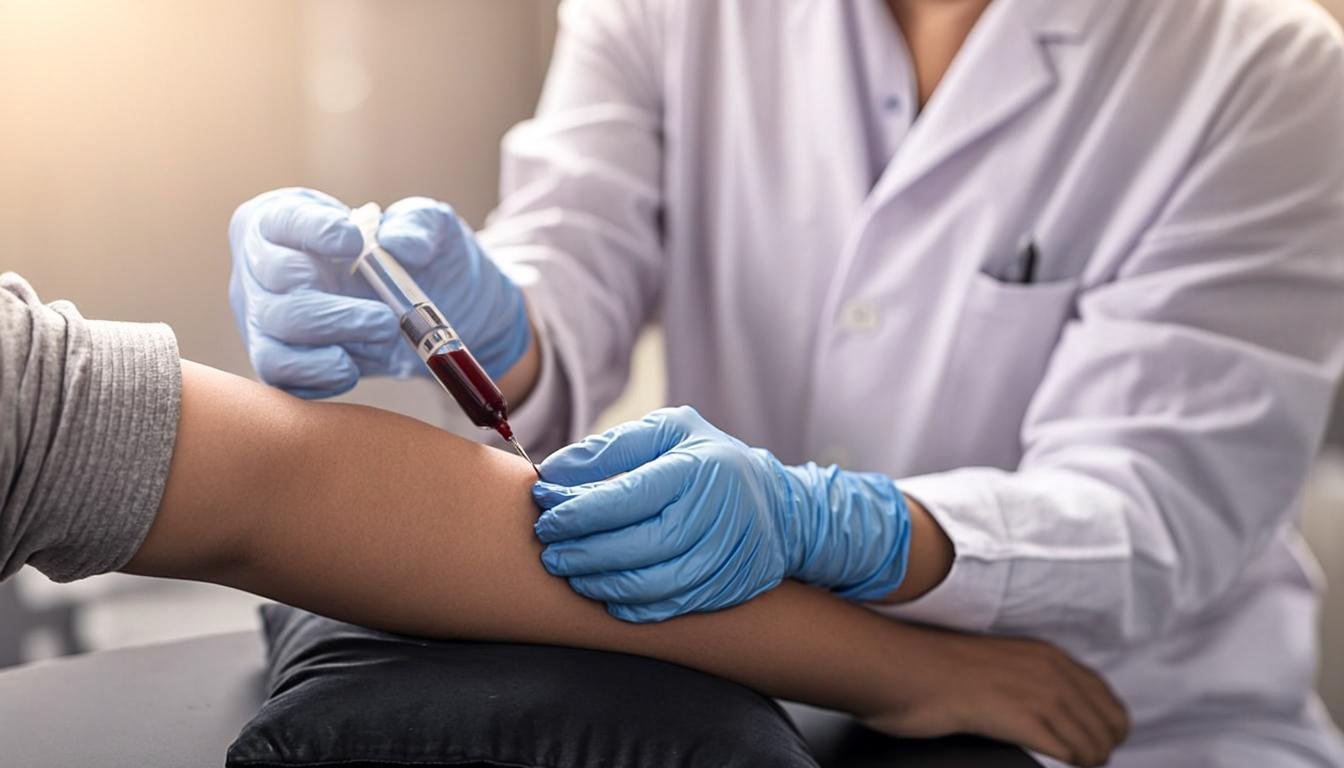
Upon arrival, the phlebotomist verifies your identity, confirms the tests to be performed, and reviews any preparation requirements such as fasting status. They then prepare the collection site, usually the inner elbow area of the arm, by cleaning it with an antiseptic swab. A sterile, single-use needle attached to a vacuum-sealed collection tube is used to draw the blood. The phlebotomist collects the required volume into appropriately labeled tubes, each designed for specific types of tests.
After collection, the phlebotomist applies pressure and a bandage to the puncture site, labels each tube with the patient's details, and places them in a temperature-controlled transport bag. The samples are then transported to an accredited laboratory for processing. The entire collection process follows the same clinical protocols used in hospital and laboratory settings, ensuring that sample integrity is maintained from your home to the lab.
Most providers in Lahore use laboratories that are accredited by national or international quality bodies, which means your samples are processed using the same sophisticated analyzers and quality control standards that apply to samples collected in a laboratory setting. The only difference is the location where the sample is collected.
Common Blood Tests Available Through Home Sampling
Home blood sampling in Lahore covers virtually the entire spectrum of laboratory blood tests. Understanding the categories of available tests helps patients and physicians make informed decisions about which panels to order based on the clinical situation.
Complete Blood Count (CBC): This is the most commonly ordered blood test and provides information about red blood cells, white blood cells, hemoglobin, hematocrit, and platelets. A CBC helps diagnose anemia, infections, blood disorders, and provides baseline information about overall health. It requires no special preparation.
Blood Glucose and HbA1c: Fasting blood sugar, random blood sugar, and HbA1c (glycated hemoglobin) tests are essential for diagnosing and monitoring diabetes. Fasting blood sugar requires an 8 to 12 hour fast, while random blood sugar can be done at any time. HbA1c reflects average blood sugar levels over the preceding three months and does not require fasting.
Liver Function Tests (LFT): This panel measures enzymes, proteins, and bilirubin produced or processed by the liver, including ALT, AST, alkaline phosphatase, albumin, and total bilirubin. LFTs are used to assess liver health, monitor medication effects, and diagnose conditions such as hepatitis and fatty liver disease.
Kidney Function Tests (KFT/RFT): These tests measure creatinine, blood urea nitrogen (BUN), and electrolytes to evaluate how well the kidneys are filtering waste from the blood. They are critical for patients with diabetes, hypertension, or known kidney disease.
Lipid Profile: This panel measures total cholesterol, LDL cholesterol, HDL cholesterol, and triglycerides. It requires 9 to 12 hours of fasting and is used to assess cardiovascular risk and monitor the effectiveness of cholesterol-lowering medications.
Thyroid Function Tests (TFT): TSH, free T3, and free T4 tests evaluate thyroid gland function. These tests help diagnose hypothyroidism, hyperthyroidism, and monitor patients on thyroid medication. No fasting is required for standard thyroid tests.
Additional tests available through home sampling include cardiac markers, vitamin D and B12 levels, hormonal panels, inflammatory markers such as CRP and ESR, uric acid, electrolyte panels, iron studies, and tumor markers. Essentially, any blood test that a physician would order can be collected through a home sampling service.
How to Prepare for a Home Blood Test
Proper preparation before blood sample collection is essential for accurate results. Failing to follow preparation guidelines can lead to falsely elevated or decreased values, which may result in misdiagnosis or unnecessary repeat testing. Understanding the preparation requirements for your specific tests ensures reliable results.
For fasting tests, which include fasting blood sugar, lipid profile, and some liver panels, you must not eat or drink anything except plain water for 8 to 12 hours before the sample collection. This means no tea, coffee, juice, milk, or food during the fasting period. Plain water is encouraged because staying well-hydrated makes veins easier to access and produces a better quality sample. Schedule your fasting blood draw for early morning so you can break your fast immediately afterward.
For non-fasting tests, there are generally no dietary restrictions, but it is still advisable to eat a light, normal meal before the collection. Avoid heavy, fatty meals immediately before any blood test, as lipids in the blood can interfere with certain laboratory analyses and cause the sample to appear lipemic, which may require recollection.
Medication management before a blood test depends on the specific tests being performed. For most routine blood tests, you should continue taking your regular medications unless your doctor has specifically instructed you to hold them. If you are on thyroid medication, the timing of the dose relative to the blood draw may matter, as thyroid levels fluctuate throughout the day. Always follow your doctor's specific instructions regarding medication before testing.
On the day of the collection, wear a loose-sleeved shirt or top that can be easily rolled up above the elbow. Stay well-hydrated by drinking several glasses of water. Have your doctor's prescription, previous lab reports for comparison, and your national ID card ready when the phlebotomist arrives.
Understanding Sample Handling and Laboratory Processing
The accuracy of blood test results depends not only on proper collection but also on how samples are handled and transported after collection. Reputable home blood sampling providers in Lahore follow rigorous protocols to maintain sample integrity throughout this process.
Immediately after collection, blood samples are labeled with unique identifiers and placed in appropriate storage conditions. Some tubes contain anticoagulants and must be gently inverted several times to mix the blood with the preservative. Others contain clot activators and must be allowed to clot before processing. The phlebotomist is trained to handle each tube type correctly.
Samples are transported in temperature-controlled carrier bags that maintain the required temperature range during transit. Certain tests, such as those for glucose or lactate, are time-sensitive and must reach the laboratory within a specific window. Providers maintain efficient logistics networks to ensure that all samples arrive at the laboratory within the required timeframes, regardless of the pickup location within Lahore.
At the laboratory, samples are processed using automated analyzers that meet international quality standards. Most reputable laboratories in Lahore participate in external quality assurance programs and maintain internal quality control procedures to ensure result accuracy. Results undergo technical review before being released, and any flagged values are verified through repeat testing.
Costs and Pricing for Home Blood Sampling in Lahore
The cost of home blood sampling in Lahore varies depending on the tests ordered, the laboratory used, and the provider's service model. Most providers charge a home visit fee in addition to the individual test costs, though many bundle the visit fee into the overall price for a transparent quote.
Individual test prices in Lahore generally range from PKR 300 to PKR 3,000 or more, depending on the complexity of the test. A basic CBC costs approximately PKR 500 to PKR 800, while a comprehensive metabolic panel covering liver, kidney, and electrolyte functions costs between PKR 2,500 and PKR 4,000. Specialized tests such as hormonal panels, tumor markers, or vitamin assays can cost PKR 3,000 to PKR 8,000 each.
Package deals are commonly available and offer significant savings compared to ordering tests individually. A basic health screening package that includes CBC, blood sugar, lipid profile, liver function, kidney function, and uric acid typically costs between PKR 3,500 and PKR 6,000. Comprehensive wellness packages that add thyroid function, vitamin D, HbA1c, and other markers range from PKR 7,000 to PKR 15,000 depending on the included tests.
The home visit surcharge is typically between PKR 300 and PKR 800, though many providers waive this fee for orders above a certain amount. When comparing prices, ensure you understand what is included, whether the home visit fee is separate, and whether the quoted price includes both collection and the laboratory processing fee.
Choosing a Reliable Home Blood Sampling Provider
Selecting the right provider for home blood sampling is important because the quality of the phlebotomy service directly affects the accuracy and reliability of your test results. Several factors distinguish professional providers from unreliable operators.
First, confirm that the provider uses certified phlebotomists who have formal training in venipuncture and follow standard infection control protocols. Ask about their needle disposal procedures, which should involve the use of safety-engineered needles that are disposed of in approved sharps containers immediately after use. A professional phlebotomist will never recap a used needle and will always wear fresh gloves for each patient.
Second, verify that the provider partners with an accredited laboratory. Ask which laboratory processes the samples and whether the lab holds accreditation from recognized bodies. Laboratory accreditation ensures that testing is performed on calibrated equipment by qualified staff following validated methods.
Third, evaluate the provider's turnaround time, reporting format, and customer support. A good provider delivers results within the expected timeframe, presents them in a clear and understandable format, and offers the option to discuss results with a healthcare professional. Hum Home Care partners with leading accredited laboratories and provides comprehensive lab testing services with home sample collection across Lahore, ensuring accuracy and convenience for every patient.
Frequently Asked Questions About Home Blood Sampling
How do I prepare for a home blood test?
Preparation depends on the specific tests ordered. For fasting blood tests such as fasting blood sugar and lipid profile, you must not eat or drink anything except water for 8 to 12 hours before the sample collection. For general tests, stay well-hydrated by drinking plenty of water, wear a loose-sleeved shirt for easy access to your arm, and have your doctor's prescription or test requisition form ready. Inform the phlebotomist about any medications you are taking.
Is home blood sampling as accurate as laboratory blood sampling?
Yes, home blood sampling is equally accurate when performed by a trained and certified phlebotomist using proper collection techniques, sterile equipment, and appropriate sample handling protocols. The key factors are the skill of the phlebotomist, the quality of collection supplies, and the speed at which samples are transported to the laboratory for processing. Reputable providers like Hum Home Care follow strict quality control procedures.
How quickly will I receive my blood test results from a home sampling service?
Most routine blood test results are available within 6 to 24 hours after sample collection, depending on the specific tests ordered. Basic tests such as complete blood count (CBC), blood sugar, and liver function tests typically return results within a few hours. More specialized tests including hormonal panels, tumor markers, or cultures may take 24 to 72 hours. Results are usually shared via WhatsApp, email, or a patient portal.
What blood tests can be done through home sampling in Lahore?
Home blood sampling covers a comprehensive range of tests including complete blood count (CBC), blood glucose (fasting and random), HbA1c, liver function tests (LFT), kidney function tests (KFT/RFT), lipid profile, thyroid function tests (TFT), uric acid, electrolytes, cardiac markers (troponin, BNP), vitamin levels (D, B12), hormonal panels, and inflammatory markers (CRP, ESR). Essentially, any test that requires a blood sample can be collected at home.
Getting your blood tests done should not disrupt your day or compromise your comfort. With professional home blood sampling, you receive the same laboratory quality and accuracy without leaving your home. Schedule a home blood sampling appointment with Hum Home Care and have a certified phlebotomist visit you at your preferred time. We serve all areas across Lahore with same-day and next-day availability. Call +92 325 0600 666 or book online to get started.