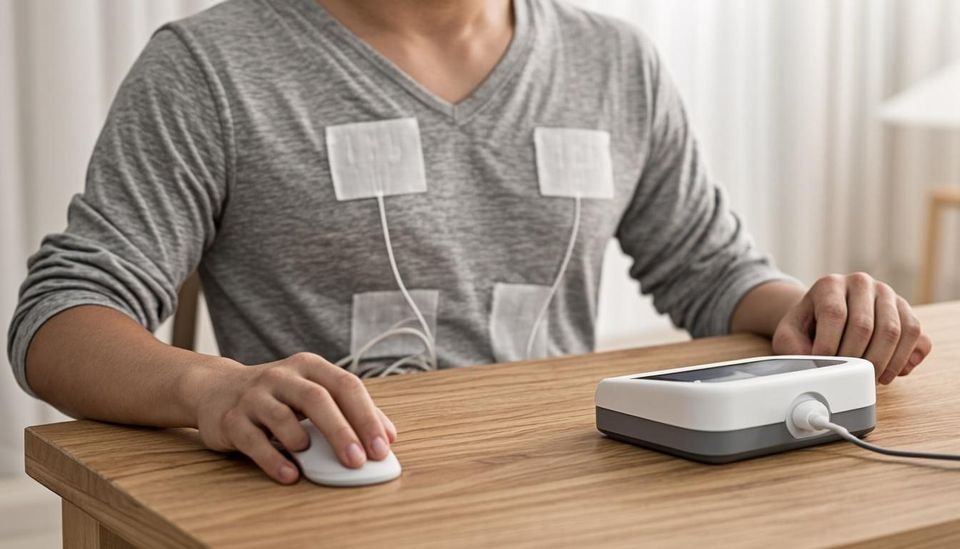
What to Expect During Holter Monitoring
If you have booked holter monitoring for the first time, understanding the process helps you prepare and get the most out of the service. The experience typically follows a structured sequence: booking and scheduling, pre-visit preparation, the actual service delivery, and post-visit follow-up. Each step is designed to ensure patient safety, comfort, and clinical effectiveness.
When you book holter monitoring with Hum Home Care, our care coordination team collects relevant medical information including the patient's condition, current medications, allergies, and any specific instructions from their treating physician. This information is shared with the assigned trained before they arrive, allowing them to prepare appropriately and bring the correct equipment and supplies. For diagnostic services, we also confirm any preparation requirements such as fasting for blood tests or wearing loose clothing for ultrasound examinations.
During the visit, the trained will begin with a brief assessment or patient introduction, explain what they are going to do, and then proceed with the service. The entire process is conducted professionally, with respect for the patient's privacy and comfort. After the service is complete, the trained provides a summary of findings, instructions for any follow-up care, and answers any questions the patient or family may have. Results from diagnostic tests are typically available within 24 hours and are shared digitally.
What Makes This Service Reliable in Lahore
Proper preparation before a home Holter monitoring session ensures accurate results and a smooth experience. Start by gathering all relevant medical documents, including previous test results, current prescriptions, and a written list of all medications with dosages. If the patient has any known allergies, particularly to medications, adhesives, or latex, inform the healthcare provider in advance. For diagnostic procedures, confirm whether fasting is required and for how long — most blood tests require 8 to 12 hours of fasting, while procedures like ECG and echocardiogram typically do not require fasting but may require avoiding caffeine for a few hours beforehand.
Preparing the physical environment is equally important. Choose a well-ventilated room with adequate lighting and a comfortable temperature. For procedures that require the patient to lie down, ensure there is a firm bed or examination surface available. Clear the area of tripping hazards and ensure easy access for the healthcare professional. In Lahore's climate, especially during summer months when temperatures can exceed 45 degrees Celsius, ensure the room has functioning air conditioning or at least a fan. Keep a glass of water nearby for the patient, and have a family member present if possible, particularly for elderly patients or those with mobility limitations.
On the day of the Holter monitoring appointment, wear loose, comfortable clothing that allows easy access to the area being examined or treated. Avoid applying lotions, oils, or powders to the skin if the procedure involves electrode placement (ECG, EEG, Holter) or ultrasound gel application. If the appointment is scheduled for the morning after a fast, keep the fasting period exact and take any permitted medications with a small sip of water only. When the healthcare professional arrives, take a few moments to discuss any changes in your condition since the booking was made, and ask any questions you may have about the procedure. Being well-prepared not only improves the quality of the service but also helps reduce anxiety for both the patient and the family.
The demand for Holter monitoring in Lahore has grown substantially in recent years, driven by several factors. Lahore's population has expanded rapidly, with an estimated 13 million residents, placing significant pressure on hospital infrastructure. Traffic congestion makes regular hospital visits time-consuming and physically taxing, particularly for elderly patients and those with chronic conditions. Additionally, the COVID-19 pandemic accelerated the adoption of home-based healthcare services, as families became more aware of the infection risks associated with hospital visits. Today, home healthcare is recognised as a safe, effective, and often preferred alternative for a wide range of medical services.
Frequently Asked Questions
How do I prepare for holter monitoring?
Preparation depends on the specific service. For blood tests, you may need to fast for 8-12 hours. For ultrasound, wear loose comfortable clothing. For nursing care, have the patient's medical records and current medications readily available. Our team provides specific preparation instructions when you book.
How long does a holter visit take?
The duration varies by service type. Diagnostic tests typically take 20-45 minutes. Nursing care shifts are usually 12 hours. Doctor consultations last 20-30 minutes. Our care coordination team provides an estimated duration when you book so you can plan accordingly.
Can a family member be present during the visit?
Absolutely. We encourage family members to be present during home healthcare visits. This helps the family understand the patient's condition, learn care techniques, and ask questions. For elderly patients or children, having a familiar family member present also reduces anxiety and improves cooperation with the healthcare professional.
For professional holter monitoring in Lahore, Hum Home Care offers certified cardiac technicians trained cardiac technicians, 24/7 availability, and physician-supervised care plans. Learn more about our holter monitoring or call +92 325 0600 666 to book. We serve DHA, Johar Town, Gulberg, Model Town, Bahria Town, and all Lahore areas.