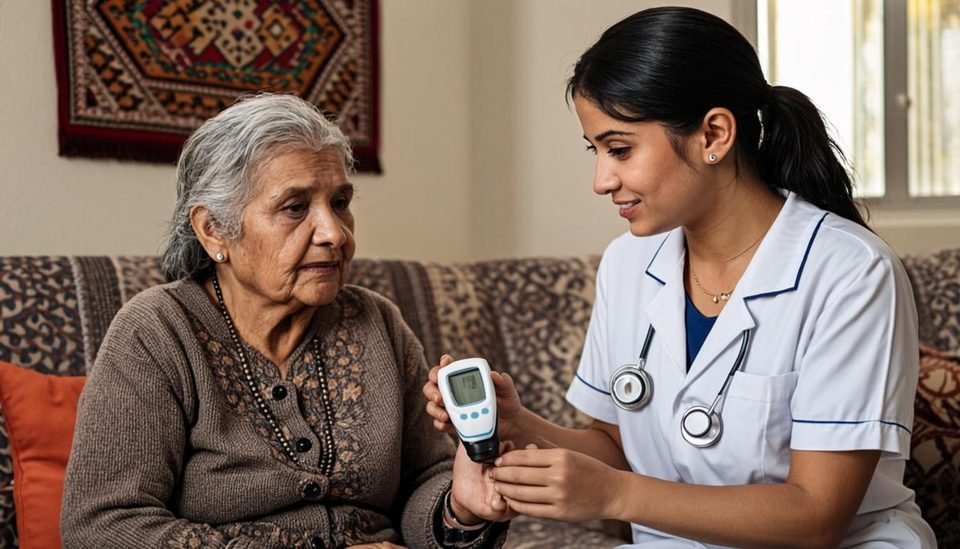
What Is Diabetes?
Diabetes mellitus is a chronic metabolic disorder in which the body either does not produce enough insulin or cannot effectively use the insulin it produces. Insulin is a hormone produced by the beta cells of the pancreas, and it plays a central role in regulating blood glucose levels. When insulin function is impaired, glucose accumulates in the bloodstream instead of being absorbed by the cells for energy. Over time, persistently elevated blood glucose levels cause damage to blood vessels, nerves, and organs throughout the body.
The scale of the diabetes epidemic in Pakistan is alarming. According to the International Diabetes Federation, Pakistan currently ranks among the top three countries globally for the highest number of adults living with diabetes, with an estimated 33 million affected individuals. The prevalence rate in Pakistan is approximately 26 to 30 percent among adults aged 20 and above, meaning roughly one in every three to four adults in the country has either diabetes or prediabetes. Lahore, as Pakistan's second-largest city with a population exceeding 13 million, carries a substantial portion of this burden. Urbanisation, changing dietary patterns, sedentary lifestyles, and genetic predisposition all contribute to the exceptionally high rates observed in Lahore and the broader Punjab region.
Diabetes is not a single disease but a group of metabolic conditions with different causes, though they share the common feature of elevated blood glucose. Understanding the specific type of diabetes is essential for appropriate management.
Type 1 vs Type 2 Diabetes
Type 1 Diabetes
Type 1 diabetes is an autoimmune condition in which the body's immune system mistakenly attacks and destroys the insulin-producing beta cells in the pancreas. As a result, the body produces little to no insulin. Type 1 diabetes typically develops in childhood or adolescence, though it can occur at any age. It accounts for approximately 5 to 10 percent of all diabetes cases. People with Type 1 diabetes require lifelong insulin therapy through injections or an insulin pump to survive.
The exact cause of Type 1 diabetes is not fully understood, but it involves a combination of genetic susceptibility and environmental triggers such as viral infections. Unlike Type 2 diabetes, Type 1 diabetes cannot be prevented through lifestyle changes. Symptoms often appear suddenly and can be severe, including extreme thirst, frequent urination, unexplained weight loss, and in some cases, diabetic ketoacidosis, a life-threatening complication that requires emergency treatment.
Type 2 Diabetes
Type 2 diabetes is by far the most common form, accounting for 90 to 95 percent of all cases. It develops when the body becomes resistant to insulin, and the pancreas gradually loses its ability to produce sufficient insulin to overcome this resistance. Type 2 diabetes typically develops in adults over the age of 30, though it is increasingly being diagnosed in younger individuals, including adolescents and even children, due to rising obesity rates.
In Pakistan and Lahore specifically, Type 2 diabetes has reached epidemic proportions. The traditional Pakistani diet, which is often rich in refined carbohydrates such as white rice, white flour naan, and sugary foods, combined with decreasing levels of physical activity, has created conditions ideal for the development of insulin resistance. Additionally, South Asian populations have a genetically higher predisposition to insulin resistance and abdominal obesity compared to other ethnic groups, meaning Pakistanis develop Type 2 diabetes at lower body weights and at younger ages than individuals of European descent.
Type 2 diabetes often develops gradually, and many individuals may have the condition for years before being diagnosed. Early detection through regular screening is therefore critical, particularly for individuals with risk factors such as family history, obesity, or a sedentary lifestyle.
Gestational Diabetes
Gestational diabetes develops during pregnancy in women who did not previously have diabetes. It affects approximately 5 to 10 percent of pregnancies in Pakistan. Hormonal changes during pregnancy can make the body's cells less responsive to insulin. While gestational diabetes usually resolves after childbirth, women who experience it have a significantly increased risk of developing Type 2 diabetes later in life. Their children also face a higher risk of obesity and Type 2 diabetes in adulthood.
Common Causes and Risk Factors
The risk factors for diabetes vary between types, but several are shared across all forms of the disease. For Type 2 diabetes, which represents the vast majority of cases in Lahore, the following risk factors are most relevant:
- Obesity and overweight: Excess body fat, particularly visceral fat around the abdomen, is the single strongest risk factor for Type 2 diabetes. In Lahore, increasing rates of overweight and obesity, driven by dietary changes and reduced physical activity, are directly contributing to the diabetes epidemic.
- Family history: Having a parent or sibling with Type 2 diabetes significantly increases an individual's risk. The genetic component of Type 2 diabetes is strong, particularly in South Asian populations.
- Physical inactivity: Regular physical activity helps control weight, improves insulin sensitivity, and reduces blood glucose levels. Sedentary lifestyles, increasingly common in urban Lahore, are a major modifiable risk factor.
- Age: Risk increases with age, particularly after age 45. However, the age of onset is decreasing in Pakistan, with many cases now diagnosed in individuals in their 30s and 40s.
- Poor diet: Diets high in refined carbohydrates, sugary beverages, saturated fats, and processed foods contribute to insulin resistance and weight gain.
- History of gestational diabetes: Women who had gestational diabetes during pregnancy have a 50 percent or higher chance of developing Type 2 diabetes within 5 to 10 years.
- Prediabetes: Individuals with blood glucose levels that are higher than normal but not yet in the diabetic range have a significantly elevated risk of progressing to full diabetes.
Signs and Symptoms of Diabetes
The symptoms of diabetes can vary in severity and may develop gradually, particularly in Type 2 diabetes. Many individuals with Type 2 diabetes may not notice symptoms for years. Common symptoms include:
- Frequent urination (polyuria): When blood glucose levels are high, the kidneys work harder to filter and absorb excess glucose. When they cannot keep up, the excess glucose is excreted in the urine, pulling fluids from the tissues and resulting in increased urination, particularly at night.
- Excessive thirst (polydipsia): The fluid loss from frequent urination leads to dehydration, triggering intense thirst.
- Unexplained weight loss: Despite eating normally or even more than usual, individuals with untreated diabetes may lose weight because the body cannot use glucose for energy and begins breaking down fat and muscle tissue instead.
- Fatigue and weakness: Without sufficient insulin to allow glucose into the cells, the body's cells are starved of energy, resulting in persistent tiredness.
- Blurred vision: High blood glucose levels can cause fluid to be pulled from the lenses of the eyes, affecting their ability to focus.
- Slow-healing wounds: Diabetes impairs blood circulation and the immune system, causing cuts, bruises, and sores to heal much more slowly than normal.
- Frequent infections: Diabetics are more susceptible to infections, particularly urinary tract infections, yeast infections, and skin infections.
- Tingling or numbness in the hands and feet: This is a sign of diabetic neuropathy, nerve damage caused by prolonged high blood glucose levels.
How Diabetes Is Diagnosed
Diabetes is diagnosed through blood tests that measure blood glucose levels. The primary diagnostic tests include:
- Fasting Blood Glucose (FBG): A blood sample is taken after the patient has fasted for at least 8 hours. A fasting glucose level of 126 mg/dL or higher on two separate occasions indicates diabetes. A level between 100 and 125 mg/dL indicates prediabetes.
- HbA1c Test: This test measures the average blood glucose level over the past two to three months by assessing the percentage of glycated haemoglobin in the blood. An HbA1c level of 6.5 percent or higher indicates diabetes, while a level between 5.7 and 6.4 percent indicates prediabetes. The HbA1c test is the most reliable measure of long-term glucose control and does not require fasting. Home lab testing services in Lahore make it convenient to monitor HbA1c regularly.
- Random Blood Glucose Test: A blood sample is taken at any time of day, regardless of when the patient last ate. A random glucose level of 200 mg/dL or higher, accompanied by classic symptoms, strongly suggests diabetes.
- Oral Glucose Tolerance Test (OGTT): The patient fasts overnight, has a fasting blood glucose measurement, then drinks a glucose solution. Blood glucose is measured again after two hours. A level of 200 mg/dL or higher indicates diabetes.
Treatment and Management Options
Diabetes management requires a comprehensive, individualised approach that addresses blood glucose control, blood pressure management, lipid control, and the prevention of complications. The primary treatment modalities include:
Medication
For Type 2 diabetes, treatment typically begins with oral hypoglycaemic agents. Metformin is the most commonly prescribed first-line medication; it works by reducing the amount of glucose produced by the liver and improving insulin sensitivity. Other oral medications include sulfonylureas (which stimulate insulin secretion), DPP-4 inhibitors, SGLT2 inhibitors, and GLP-1 receptor agonists. Many patients eventually require a combination of two or more medications to achieve adequate glucose control. For Type 1 diabetes and for some Type 2 diabetes patients, insulin therapy is necessary. Insulin may be administered through multiple daily injections or through an insulin pump.
Home medicine delivery services in Lahore ensure that patients always have their prescribed diabetes medications, including insulin and oral agents, available without the need to visit a pharmacy.
Lifestyle and Dietary Management
Lifestyle modification is a cornerstone of diabetes management, and for many patients with early Type 2 diabetes, it may be sufficient to achieve good glucose control without medication, at least initially. Key dietary recommendations include reducing intake of refined carbohydrates and sugars, choosing whole grains over refined grains, increasing consumption of vegetables and legumes, selecting lean proteins, and limiting saturated fats and fried foods.
In the Pakistani dietary context, practical recommendations include reducing portion sizes of rice and roti, using whole wheat flour for roti preparation, limiting consumption of sugary drinks, mithai, and desserts, choosing cooking methods such as grilling and steaming over deep frying, and reducing the use of ghee and butter in cooking. Doctor home visits can provide personalised dietary guidance tailored to individual patient preferences and cultural food habits.
Regular physical activity is equally important. Exercise improves insulin sensitivity, helps with weight management, lowers blood glucose levels, and reduces cardiovascular risk. Patients are generally advised to aim for at least 150 minutes of moderate-intensity aerobic activity per week, such as brisk walking, along with resistance training two to three times per week.
Blood Sugar Monitoring
Regular blood glucose monitoring is essential for assessing the effectiveness of treatment and making necessary adjustments. Patients using insulin typically need to monitor their blood glucose multiple times daily. Patients on oral medications may need less frequent monitoring. The HbA1c test should be performed every three months for patients whose diabetes is not well controlled, and every six months for those with stable glucose levels.
Diabetic Foot Care and Complications
Foot complications are among the most serious and common consequences of diabetes. Diabetic neuropathy damages the nerves in the feet, reducing sensation and making it difficult for patients to notice cuts, blisters, or sores. Peripheral arterial disease, also common in diabetes, reduces blood flow to the feet, impairing the body's ability to heal wounds. The combination of loss of sensation and poor circulation means that a minor foot injury can progress to a serious infection, ulceration, and in the most severe cases, amputation.
Preventive foot care is therefore a critical component of diabetes management. Patients should inspect their feet daily for cuts, blisters, redness, swelling, or changes in skin colour. Feet should be washed daily in lukewarm water and dried thoroughly, particularly between the toes. Moisturiser should be applied to prevent dry, cracking skin, but not between the toes. Properly fitting, comfortable shoes should be worn at all times, and patients should avoid walking barefoot.
Home nursing services in Lahore can provide professional foot assessments, wound care for existing foot problems, and education for patients and families on proper foot care techniques. For patients with existing foot complications, regular nursing visits can prevent minor issues from escalating into serious infections.
How Home Healthcare Supports Diabetes Management in Lahore
Managing diabetes effectively requires consistent, ongoing effort and regular medical oversight. For many patients and families in Lahore, travelling to clinics and hospitals for routine diabetes management can be time-consuming, inconvenient, and particularly challenging for elderly patients or those with mobility limitations. Home healthcare services bridge this gap by bringing professional medical care directly to the patient's doorstep.
Doctor home visits allow patients to receive regular medical consultations without leaving home. The visiting physician assesses the patient's overall health, reviews blood glucose records, evaluates diabetes complications, adjusts medications, and provides personalised advice on diet, exercise, and lifestyle management. For elderly diabetic patients in Lahore who may have difficulty travelling, regular doctor visits at home ensure continuity of care and early detection of any complications.
Home nursing care provides essential support for diabetes management that goes beyond what family members can safely provide. Registered nurses can administer insulin injections, monitor blood glucose levels, perform foot assessments and wound care, manage complications such as diabetic foot ulcers, and educate patients and caregivers on diabetes self-management. For patients who are newly diagnosed or who have difficulty managing their condition independently, home nursing provides the clinical support needed to prevent complications and maintain quality of life.
Laboratory testing at home makes it convenient to monitor key diabetes indicators, including HbA1c, fasting blood glucose, lipid profiles, kidney function tests, and urine tests for microalbuminuria. Regular monitoring of these parameters is essential for assessing the effectiveness of treatment, detecting complications early, and adjusting the treatment plan as needed.
Medicine delivery at home ensures that patients never run out of essential diabetes medications, including insulin, oral hypoglycaemic agents, and medications for blood pressure and cholesterol management. For patients who rely on daily insulin, timely medication delivery is not just a convenience but a medical necessity.
Caregiver services are particularly valuable for elderly diabetic patients who need assistance with daily activities such as meal preparation, medication reminders, blood sugar monitoring, and maintaining a healthy lifestyle. Trained caregivers provide compassionate, consistent support that helps elderly patients manage their diabetes safely and effectively at home.
When to Seek Emergency Help
Although diabetes is a chronic condition that is primarily managed on an outpatient basis, certain situations require immediate emergency medical attention. Patients and families in Lahore should seek urgent help if any of the following occur:
- Blood glucose levels consistently above 300 mg/dL or below 70 mg/dL despite appropriate measures
- Symptoms of diabetic ketoacidosis: nausea, vomiting, abdominal pain, fruity-smelling breath, rapid breathing, confusion, or loss of consciousness
- Symptoms of hyperosmolar hyperglycaemic state: extreme thirst, dry mouth, fever, confusion, or loss of consciousness
- Signs of severe hypoglycaemia: shakiness, sweating, confusion, slurred speech, seizures, or loss of consciousness
- Deep foot wounds, ulcers, or signs of foot infection such as redness, swelling, warmth, or discharge
- Chest pain, shortness of breath, or sudden vision changes, which may indicate cardiovascular complications
Prevention Tips
While Type 1 diabetes cannot currently be prevented, Type 2 diabetes can often be prevented or delayed through lifestyle modifications. For individuals in Lahore with prediabetes or risk factors for diabetes, the following measures are strongly recommended by medical authorities:
- Maintain a healthy body weight through a balanced diet and regular physical activity. Even losing 5 to 7 percent of body weight can reduce diabetes risk by over 50 percent.
- Engage in at least 150 minutes of moderate-intensity exercise per week, such as brisk walking, cycling, or swimming.
- Adopt a diet rich in whole grains, vegetables, fruits, legumes, and lean proteins while limiting refined carbohydrates, sugary foods, and saturated fats.
- Limit consumption of sugary beverages, which are a major contributor to obesity and insulin resistance.
- Get regular health screenings, particularly if you have risk factors such as family history, overweight, or age over 35.
- Manage stress through adequate sleep, relaxation techniques, and social support, as chronic stress can elevate blood glucose levels.
Living with Diabetes: Daily Management
Living well with diabetes requires building a consistent daily routine that integrates blood glucose monitoring, medication, healthy eating, physical activity, and stress management. For patients in Lahore managing diabetes at home, the following daily practices help maintain stable blood glucose levels and prevent complications:
Establish a regular schedule for meals, medication, and physical activity. Consistency helps stabilise blood glucose levels. Monitor blood glucose as recommended by your doctor, and keep a log of readings to identify patterns and trends. Take all prescribed medications consistently, and never skip doses. Follow a balanced meal plan that includes appropriate portions of carbohydrates distributed evenly throughout the day. Stay physically active, even if it means starting with short walks and gradually increasing duration and intensity. Stay well hydrated by drinking plenty of water throughout the day. Inspect your feet daily and practice good foot hygiene. Attend all scheduled medical appointments and laboratory tests to monitor your condition.
With the right combination of professional medical support, self-management practices, and family encouragement, people with diabetes in Lahore can live full, active, and healthy lives. Hum Home Care provides the comprehensive home healthcare services needed to make effective diabetes management accessible and convenient for patients and families across Lahore.