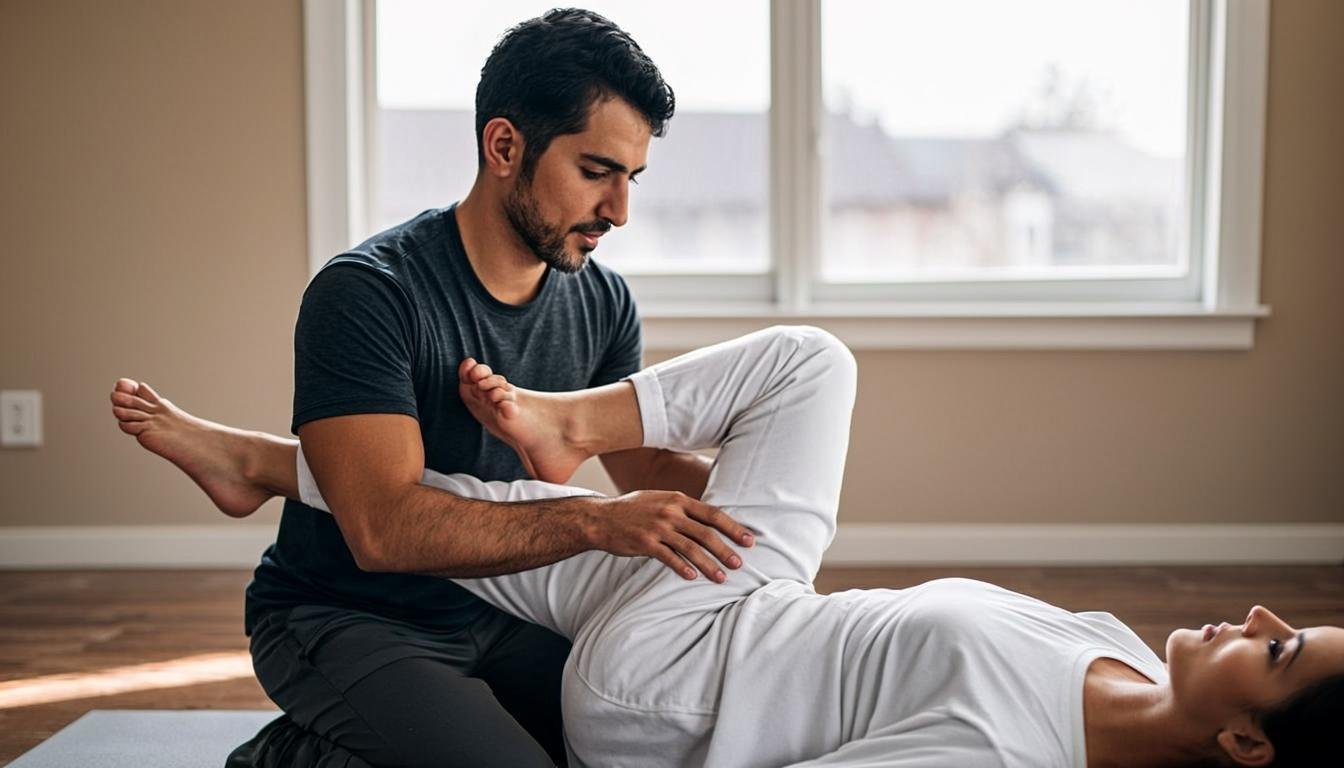
Recovering from an injury or surgery is a challenging process that requires consistent, guided rehabilitation. For many patients in Lahore, traveling to a physiotherapy clinic multiple times per week is physically exhausting, logistically difficult, and sometimes medically inadvisable during the early stages of recovery. Home physiotherapy eliminates these barriers by bringing a licensed physiotherapist directly to your doorstep, allowing you to focus entirely on your rehabilitation without the stress of commuting or navigating crowded waiting rooms. This article explains how physiotherapy at home works, the science behind its effectiveness, and why an increasing number of patients and physicians in Lahore are choosing this approach to recovery.
Why Physiotherapy Is Essential for Recovery
Physiotherapy, also known as physical therapy, is a clinically proven discipline that uses targeted exercises, manual therapy techniques, and specialized equipment to restore movement, reduce pain, and rebuild strength after injury or surgery. Without physiotherapy, patients risk developing complications such as joint stiffness, muscle atrophy, blood clots, and chronic pain that can permanently limit their function.
After surgery, the body undergoes a natural healing process that involves inflammation and tissue repair. While rest is important, prolonged inactivity leads to muscle weakness, reduced range of motion, and poor circulation. Physiotherapy introduces controlled, progressive movement that stimulates blood flow to the healing tissues, prevents scar tissue adhesions, and helps the body recover its pre-injury or pre-surgery function.
For injuries such as fractures, ligament tears, or back problems, physiotherapy addresses not just the immediate damage but also the underlying biomechanical factors that contributed to the injury. A skilled physiotherapist identifies muscle imbalances, posture problems, and movement patterns that need correction to prevent future recurrences.
The Science Behind Home-Based Rehabilitation
Multiple clinical studies have demonstrated that home-based physiotherapy produces outcomes comparable to, and in some cases superior to, clinic-based rehabilitation. A 2024 systematic review published in the Journal of Physiotherapy found that home-based rehabilitation programs for post-knee replacement patients achieved similar range of motion and functional scores as hospital outpatient programs, with significantly higher patient satisfaction.
The advantages of the home environment are multifaceted. Patients exercise in the actual spaces where they live and function daily, which means rehabilitation activities directly translate to real-world tasks. A patient recovering from hip surgery can practice getting in and out of their own bed, navigating their bathroom, and climbing their actual stairs rather than practicing on generic clinic equipment.
Psychologically, patients tend to be more relaxed and cooperative in their home environment. Anxiety associated with hospital visits is eliminated, and patients are more willing to engage fully in their exercises when they feel comfortable and safe. This improved compliance directly correlates with better clinical outcomes.
Common Conditions Treated with Home Physiotherapy
Home physiotherapy is effective for a wide range of musculoskeletal and neurological conditions. Understanding which conditions benefit most from this approach helps patients and families make informed decisions about their care.
Post-Surgical Rehabilitation: Joint replacement surgeries (knee, hip, shoulder), spinal surgery, rotator cuff repair, ACL reconstruction, and abdominal surgery all require structured physiotherapy for optimal recovery. Home sessions are particularly valuable during the first two to four weeks when mobility is most limited.
Stroke Recovery: Stroke patients require intensive, long-term rehabilitation to regain movement, speech, and daily functioning. Home physiotherapy allows stroke survivors to practice functional tasks in their actual living environment, which accelerates the relearning process. Regular sessions focusing on balance, gait training, and upper limb function are essential components of stroke rehabilitation.
Back Pain and Sciatica: Sciatica and chronic back pain are among the most common reasons patients seek physiotherapy. Home-based treatment includes manual therapy, core strengthening exercises, stretching routines, and posture correction. Because these conditions are often aggravated by sitting and traveling, receiving treatment at home avoids the very activities that worsen symptoms.
Arthritis and Joint Degeneration: Osteoarthritis and rheumatoid arthritis patients benefit from gentle range-of-motion exercises, joint mobilization, and strengthening programs that slow disease progression and maintain independence. Home physiotherapy is ideal for elderly arthritis patients who find clinic visits physically demanding.
What Happens During a Home Physiotherapy Session
Understanding the structure of a typical home physiotherapy session helps patients prepare mentally and physically for their rehabilitation journey. Each session is tailored to the individual's condition, progress, and goals, but follows a general framework.
The session begins with an assessment phase where the physiotherapist evaluates the patient's current status. This includes checking vital signs, measuring range of motion, assessing pain levels, reviewing any changes since the last session, and observing the patient's functional abilities such as walking, sitting, or completing specific tasks. This assessment guides the treatment plan for that session.
The treatment phase involves hands-on therapy techniques such as joint mobilization, soft tissue massage, stretching, and manual resistance exercises. The physiotherapist may also use therapeutic modalities such as electrical stimulation, ultrasound therapy, or heat and cold applications depending on the condition being treated.
Following the hands-on component, the physiotherapist guides the patient through a structured exercise program. These exercises are designed to be performed both during the session and independently between sessions. The physiotherapist ensures the patient understands the correct form, number of repetitions, and any precautions for each exercise.
The session concludes with documentation, where the physiotherapist records the treatment provided, the patient's response, and any adjustments to the care plan. This documentation ensures continuity of care and allows the supervising physician to monitor the patient's rehabilitation progress.
How Home Physiotherapy Accelerates Recovery
The acceleration of recovery through home physiotherapy occurs through several interconnected mechanisms that create a more effective rehabilitation experience compared to traditional clinic visits.
First, session consistency improves dramatically. When physiotherapy requires traveling to a clinic, patients frequently miss sessions due to transportation issues, weather, fatigue, or scheduling conflicts. Each missed session represents lost progress. Home-based sessions have attendance rates that are consistently 30 to 40 percent higher than clinic-based programs, and this consistency directly translates to faster recovery.
Second, the frequency of therapeutic intervention can be increased when sessions take place at home. A patient who might attend two clinic sessions per week due to travel constraints can often manage four or five home sessions per week, effectively doubling the therapeutic input without additional burden on the patient.
Third, home physiotherapy enables real-time environmental adaptation. The physiotherapist can observe the patient navigating their actual home, identify fall risks, recommend furniture rearrangements, suggest assistive devices, and teach the patient how to perform daily activities safely within their own space. This practical, context-specific guidance is impossible to replicate in a clinic setting.
Fourth, early intervention is possible because home physiotherapy can begin within 24 to 48 hours after hospital discharge or injury. Early mobilization is a well-established principle in modern surgical care, and patients who begin physiotherapy sooner consistently achieve better functional outcomes than those who delay rehabilitation.
How to Prepare Your Home for Physiotherapy Sessions
Preparing your home environment before the first physiotherapy session ensures that the therapist can work effectively and that the patient gets maximum benefit from each visit. A few simple preparations make a significant difference.
Clear a space large enough for the patient to lie down and perform exercises. A clean area of approximately two meters by two meters is typically sufficient. Remove loose rugs, electrical cords, and low furniture that could create tripping hazards. Ensure the room is well-ventilated and at a comfortable temperature.
Keep the patient's medical records, surgical reports, and current medication list accessible for the physiotherapist's reference. If the patient has been prescribed specific exercises by their surgeon or hospital, have those instructions ready to share. This information helps the physiotherapist align the rehabilitation plan with the broader medical treatment.
Have comfortable clothing ready for the patient, preferably loose-fitting garments that allow easy access to the area being treated. A bottle of water, a towel, and any prescribed orthopedic equipment such as a walking aid, brace, or support should be within reach. Family members who are involved in the patient's care should plan to be present for at least the first session to learn how they can assist with exercises between professional visits.
Frequently Asked Questions About Home Physiotherapy
How soon after surgery should I start physiotherapy at home?
The timing depends on your procedure and surgeon's clearance. Most patients can begin gentle physiotherapy within 24 to 72 hours after surgery for mobility exercises and breathing techniques. More intensive rehabilitation typically starts 1 to 2 weeks post-surgery. Always obtain your surgeon's written clearance before starting any physiotherapy program.
Is home physiotherapy as effective as clinic-based physiotherapy?
Research shows that home-based physiotherapy is equally effective as clinic-based therapy for most musculoskeletal and post-surgical conditions. In some cases, home physiotherapy produces better outcomes because patients are more consistent with sessions, exercise in their actual living environment, and experience less stress from travel. Complex cases may benefit from a combination of home and clinic sessions.
What conditions can be treated with physiotherapy at home?
Home physiotherapy effectively treats post-surgical recovery (knee replacement, hip replacement, spinal surgery), stroke rehabilitation, sciatica, back pain, arthritis, sports injuries, frozen shoulder, cerebral palsy, Parkinson's disease, and general deconditioning from prolonged bed rest. A licensed physiotherapist will design a treatment plan specific to your condition.
How many physiotherapy sessions will I need at home?
The number of sessions varies widely based on your condition, severity, and recovery goals. Acute injuries may require 6 to 12 sessions over 2 to 4 weeks. Post-surgical rehabilitation typically involves 12 to 24 sessions over 6 to 12 weeks. Chronic conditions or stroke recovery may require ongoing sessions for several months. Your physiotherapist will assess your progress and adjust the plan accordingly.
Recovering from injury or surgery requires expert guidance, consistency, and a supportive environment. Home physiotherapy delivers all three by bringing licensed professionals to your doorstep. Explore Hum Home Care's physiotherapy services to learn about our qualified physiotherapists, personalized treatment plans, and coverage across all major areas in Lahore. Call us at +92 325 0600 666 or book a consultation online to start your recovery journey today.